WHAT YOU NEED TO KNOW
- Lt. Gen. Matt McFarlane said the pace of NGC2 expansion depends on resources outside his authority.
- The Army wants NGC2 deployed across I Corps by the end of fiscal 2027.
- The proposed fiscal 2027 budget requests $904 million for NGC2 research, development and scaling.
- Anduril Industries received a contract worth up to $1.8 billion to continue developing the platform’s common data baseline.
The U.S. Army’s timeline for deploying its next generation command and control system across I Corps depends on resources that remain outside the formation commander’s authority, according to Lt. Gen. Matt McFarlane.
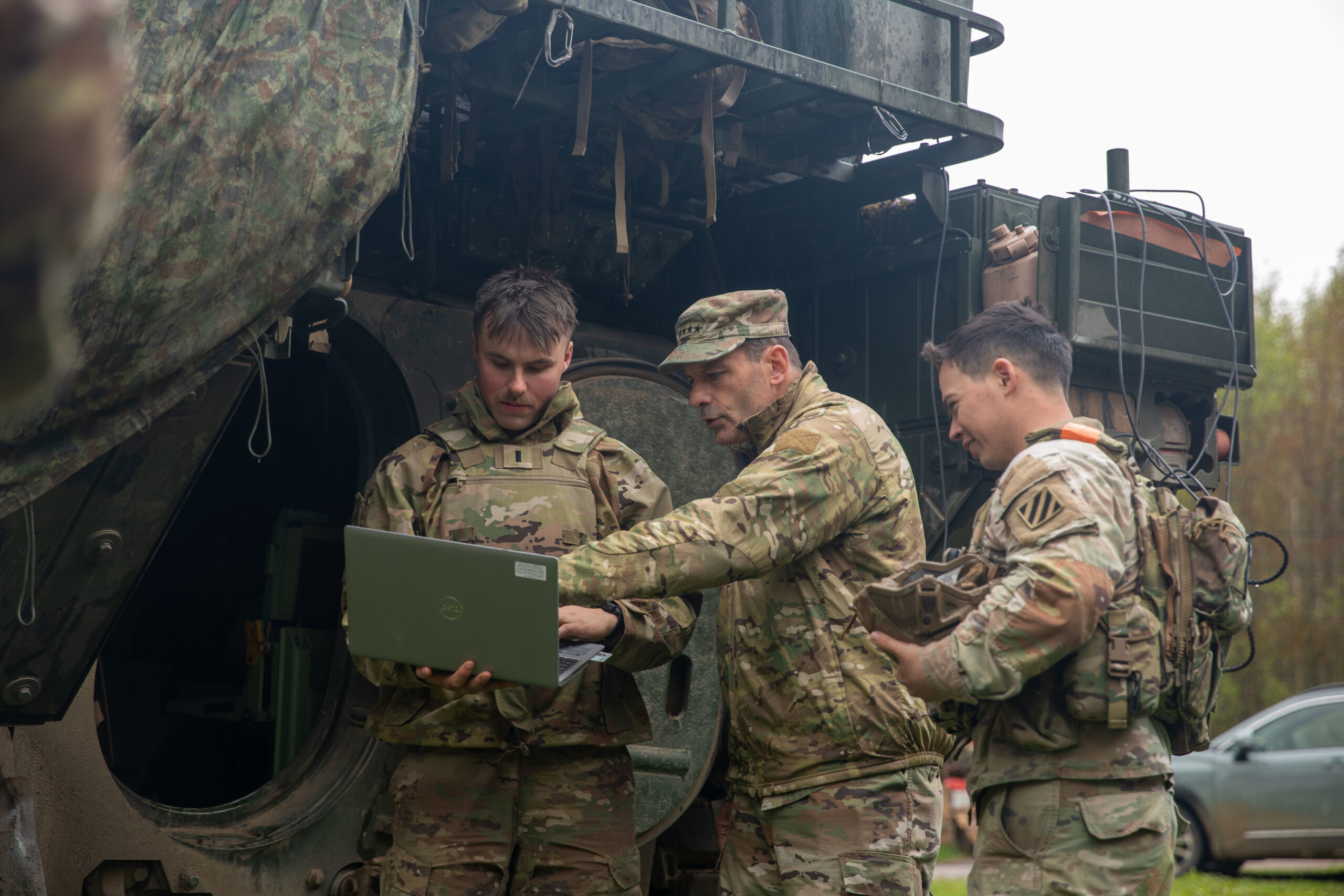
McFarlane, commander of I Corps, addressed the rollout during an Oct. 13 media roundtable in Washington. He said the goal of fielding the platform throughout the formation by the end of fiscal 2027 depends on what the Army can provide.
“Scaling and speed up is based on resources available,” said McFarlane. “That’s not in my job jar.”
The answer puts the pace of the Army’s NGC2 expansion squarely on the availability of resources. Those resources include funding that remains unsettled while the Senate continues working to pass the National Defense Authorization Act.
Gold. Upgraded. Buy real gold from $1. Store it in America. Sell it with one click.
MORE NEWS: Kamala Harris Repeats Mangled Motivational Line as Mississippi Crowd Answers with Crickets [WATCH]
Congress is currently in recess, leaving the timeline for approval of those funds unclear. Until the funding picture takes shape, the desired schedule for deploying NGC2 across I Corps remains dependent on decisions above McFarlane’s pay grade.
The Army’s proposed fiscal 2027 budget includes a request for $904 million to support the research, development and scaling of NGC2. That request would provide resources tied directly to advancing the platform and expanding its use.
NGC2 is designed to allow technologies, weapons, sensors, devices and applications from across the force to operate on the same network. The Army expects that common environment to streamline decision making during combat operations.
This Could Be the Most Important Video Gun Owners Watch All Year
The platform is moving from an experimental phase toward fielding. Anduril Industries, Palantir, Raft and Striveworks have been refining the technology as the Army works through that transition.
The Army recently awarded Anduril Industries a contract worth up to $1.8 billion to continue developing the common data baseline for NGC2. That baseline serves as the platform’s software foundation.
As the Army expands NGC2 across I Corps, the service will examine how effectively the system connects military personnel and machines. The effort will place particular attention on communication across vast geographical distances and within environments where communications are contested.
I Corps oversees troops across the Indo-Pacific, making the formation central to the Army’s planned expansion of the platform. The formation’s geographic responsibilities will give the service a close look at how NGC2 performs across long distances.
That examination will focus on whether military personnel and machines can communicate through the system under the conditions described by the Army. The platform is intended to bring multiple technologies and applications onto one network rather than leaving them separated.
I Corps also works with Security Assistance Group-Ukraine, a joint military command led by the United States and headquartered in Germany. The group provides weapons and training support to the Armed Forces of Ukraine.
The corps uses Security Assistance Group-Ukraine to process lessons from the distinctive military dynamics of the war in Ukraine. It then determines how those lessons could apply to other potential conflicts around the world.
That connection gives I Corps another source of operational experience as the Army studies NGC2. The formation can evaluate the platform while also considering lessons gathered through its work with the command supporting Ukraine.
The immediate issue, however, is the availability of resources needed to scale the system at the desired speed. McFarlane made clear that those decisions are not his to make, even as I Corps leads the effort to field the platform.
The Army has identified the end of fiscal 2027 as its desired point for deploying NGC2 across the formation. Whether that goal holds will depend on what resources the service receives and when Congress acts on the funding now awaiting approval.
For I Corps, the mission is to carry the new system from experimentation into fielding across a formation responsible for troops throughout the Indo-Pacific. For the Army, the unresolved funding timeline remains the key factor governing how quickly that expansion can proceed.
Gold is the oldest answer. SoundMoney makes owning it as easy as the apps you already use.
The opinions expressed by contributors and/or content partners are their own and do not necessarily reflect the views of LifeZette. Contact us for guidelines on submitting your own commentary.
Join the Discussion
COMMENTS POLICY: We have no tolerance for messages of violence, racism, vulgarity, obscenity or other such discourteous behavior. Thank you for contributing to a respectful and useful online dialogue.